





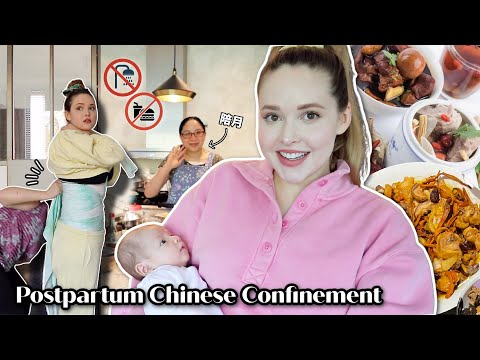

The Secret to a Smoother Fourth Trimester? Having Customized Postpartum Confinement Meals Made Right in Your Own Kitchen
Picture this: You’re three days postpartum, exhausted beyond words, leaking milk, wearing a mesh diaper, and staring blankly at your fridge. Your partner means well but can’t boil water without a tutorial. Your mom lives across the country. And all you really, truly need right now is a hot, nourishing bowl of something that helps your body heal, boosts your milk supply, and makes you feel human again. That’s exactly where customized confinement meals prepared in your home swoop in like a superhero you didn’t know you needed. I’m not talking about generic meal trains or sad containers of reheated casserole. I’m talking about a professional chef or postpartum doula showing up in your own kitchen, cooking from scratch with ingredients tailored to your body’s unique recovery needs, and leaving behind a fridge full of love. If you’re trying to figure out what to eat after birth without losing your mind—or your sleep—let me walk you through why this trend is quietly changing the postpartum game.
A few months ago, my neighbor Jess had her second baby. With her first, she’d signed up for a postpartum meal delivery service that dropped off vacuum-sealed trays once a week. It was fine, but everything tasted the same, she had zero say in the ingredients (goodbye, spicy food, even though her Chinese Malaysian heritage craved ginger and sesame oil for warmth), and the meals didn’t feel personal. For baby number two, she hired someone to do in home postpartum meals instead. The difference? Night and day. Jess would come over with bebe strapped to her chest, all glowy, and tell me how the cook made a steaming pot of pork knuckle in black vinegar because her mom swore by it for rebuilding blood and collagen, plus a gentle version of braised fish with papaya to support lactation. The chef even noticed Jess was a bit anemic and started sneaking beetroot and black sesame into congees and smoothies. That kind of bespoke care isn’t something you get from a standard postnatal meal service where you pick from a fixed menu.
So how does a personalized confinement meal service that comes to your home actually work? Here’s the scoop. Typically, you connect with a postpartum chef—often someone who blends traditional confinement food wisdom (think Chinese, Korean, or Ayurvedic practices) with modern nutritional science. Before your due date, they’ll chat with you about your health history, any cravings or aversions, your cultural background, and what you’d like the postpartum nutrition plan to focus on. Are you aiming for faster wound healing after a C-section? Higher milk volume? Warming your body according to Eastern medicine concepts? They’ll design a rotating menu around that. Then, starting right after birth, they come to your house a few times a week—or even daily—bringing fresh, high-quality ingredients. They handle all the confinement meal prep right there in your kitchen: washing, chopping, simmering bone broths for hours, whipping up lactation cookies, and portioning everything into easy-to-reheat containers. The best part? The aromas fill your home, which somehow makes everything feel more comforting. You’re not just eating; you’re being nourished in your own nest.
Now, you might wonder, what exactly should you be eating after birth if you want to truly recover? There’s so much conflicting advice out there. A smart postpartum nutrition plan doesn’t just focus on “eating healthy.” It prioritizes warmth, easy digestion, and key nutrients. Think slow-cooked meats and stews that provide collagen for tissue repair, iron-packed organ meats (if you’re into that—a good chef will make liver taste like heaven, trust me), lots of seaweeds and dark leafy greens for minerals lost during birth, and spices like turmeric, fenugreek, and fennel to calm inflammation and encourage milk flow. Soups and broths are your new best friends because they hydrate you, replenish electrolytes, and are gentle on a taxed digestive system. What about all those home confinement meal ideas you see online? They range from traditional recipes like ginger-sesame chicken, congee with goji berries, and roasted bone marrow to more modern takes like nutrient-dense smoothies with maca and oats, or golden milk lattes before bedtime. The magic of having someone customize everything is that you can mix and match. Craving your grandma’s recipe for turmeric rice with slow-braised goat? They’ll make it. Discovering you’re suddenly dairy-sensitive for your baby? They’ll pivot immediately to calcium-rich chia puddings and tahini dressings without missing a beat.
I know people hear “confinement meal service” and assume it’s a luxury reserved for celebrities. Yes, it’s an investment. But when you compare it to the cost of a postpartum meal delivery subscription for a month, combined with the mental load of figuring out what to eat after birth, plus the potential price of poor healing or low milk supply from not eating enough—suddenly, having someone take over how to prepare confinement meals tailored to your body feels like a necessity. Not to mention the emotional lift. There’s something almost sacred about watching a kind, knowledgeable person move around your kitchen, dedicated solely to putting you back together after one of the biggest physical feats a human can do. My friend Yasmin, who’s a single mom by choice, told me that her in home postpartum meals cook became part of her support system. The cook would hold the baby for ten minutes while Yasmin took her first uninterrupted shower in days, then hand her a plate of something steaming and say, “Eat while I clean up.” That’s priceless.
If you’re considering this path, start by searching locally for “postnatal meal service” and “confinement chef” in your area. Read reviews, ask in mama groups, and interview a few people. Ask if they’re open to fusing different culinary traditions—because maybe your body needs jook (Korean rice porridge) one day and a warming Mexican caldo de pollo the next. A great chef will be excited by that, not intimidated. Also, chat about logistics: how often they’ll cook, whether they’ll do grocery shopping themselves, and if they can accommodate any sudden shifts like a colicky baby meaning you need to go dairy-free for a while. Many offer a postpartum nutrition plan outline as a starting point, but the beauty of customized confinement meals is that the plan breathes and changes with you.
For those whose budget or location doesn’t allow for a full-time chef, you can still steal the concept. Recruit a family member, hire a doula for a few hours a week specifically to do confinement meal prep, or batch-cook a week’s worth of freezer-friendly home confinement meal ideas before birth. That way, you can simply defrost a container of lactation-boosting lentil and beef stew or reheat a nourishing postpartum soup without any thought. Whether you’re making it yourself or bringing in a pro, the goal is the same: give your body the deep, restorative nutrition it deserves while you pour everything else into your new baby.
The fourth trimester is wildly unglamorous, but your meals don’t have to be. Whether you go for a full in-home chef experience or just grab a few brilliant home confinement meal ideas from Pinterest, I hope you remember that feeding yourself well isn’t selfish. It’s how you heal. It’s how you show up for your newest little human. And sometimes, the most loving thing you can do is let someone else stand at the stove, stirring a pot of ginger tea and whispering a quiet wish for your recovery into every bowl.