










Stop Annoying the Neighbors and Finally Get That Swinging Jazz Drum Sound You’ve Been Chasing
Look, I’ve been there. You’re itching to brush up on your comping or nail those Elvin Jones triplets, but the thought of your full acoustic kit rattling the windows at 10 p.m. makes you want to hide under the hi-hat. Good news: you don’t have to choose between your love for jazz drumming and keeping the peace. There’s a whole world of silent practice pad kit rent options, compact quiet drum practice setup gear, and even full jazz drum set for sale deals that let you play whenever inspiration strikes—no soundproof bunker required.
I remember the first time I seriously tried to work on my ride cymbal feel late at night. The kit was set up in a basement bedroom, and even with brushes, the vibrations crept upstairs. My housemate’s text—“Was that a tap-dancing ghost?”—told me I needed a different approach. So I started experimenting with everything from towels on drumheads to DIY rubber pads. It sort of worked, but it killed the rebound and made practicing feel like slapping a wet cardboard box. That’s when I really dug into what’s available today for drummers who crave a responsive, jazz-friendly feel without the volume.
If you’re on a budget and just starting to explore jazz, a drum pad kit for beginners can be a total game-changer. These aren’t just the single rubber slabs you used in middle school. We’re talking about multi-surface setups that mimic the layout of a real kit, with different zones for snare, toms, and even cymbal-like surfaces. Some have adjustable tensions so you can fine-tune the bounce to match a tighter bebop head or a looser vintage calfskin vibe. The feel is surprisingly musical, and when you’re working on delicate jazz articulations—ghost notes, press rolls, subtle rim knocks—you need that nuanced feedback. I’ve seen folks progress faster on these than on a muted acoustic kit because they’re not fighting unnatural stiffness.
But maybe you’re beyond the pad-only phase and you want something that looks and feels like a real instrument you can grow with. Here’s where you might start looking for the best silent drum pads that integrate into your existing kit or form a standalone quiet practice station. Mesh heads are the headline here, and they have come a long way. Pair them with low-volume cymbals and you can literally have a full kit in an apartment with only a faint, musical tap-tap reaching the next room. I’ve tried several brands, and the key for jazz is finding mesh heads that aren’t so bouncy they feel like jumping on a trampoline. The best ones let you lay into a snare with a buzz roll and still get that soft, controlled decay. Combine that with a set of light, low-volume cymbals that don’t sound like trash can lids, and you’ve got a quiet drum practice setup that actually inspires you to practice.
Now, what if you’re not ready to commit to buying all that gear? Or maybe you need a kit for a specific gig or recording project but can’t store it long-term? I totally get it. Searching for a rental drum set near me was my first move when I did a short-term teaching residency and didn’t want to haul my vintage Gretsch across state lines. Many music shops and even online services now offer instrument rentals by the month. You can often find a gorgeous jazz drum set for sale as part of a rent-to-own program, which is ideal if you’re eyeing that boutique spun-fiberglass kit but want to test it through a few rehearsals first. Renting gives you the chance to explore different sizes—an 18-inch bass drum versus a 20-inch, say—and see what speaks to your swing feel without dropping thousands up front.
Speaking of finding the right gear, buying a dedicated jazz drum kit doesn’t have to break the bank. There’s a thriving market for affordable jazz drum sets that sound absolutely killer with the right heads and tuning. The secret? Look for smaller shell sizes (bop configurations are perfect: 12” rack tom, 14” floor tom, 18” kick) and don’t shy away from used vintage kits that have a little cosmetic wear. I once snagged a mid-60s Japanese stencil kit for a few hundred dollars, swapped on some coated ambassadors, and it sang with more character than a kit four times the price. If you’re ready to buy jazz drum kit instruments outright, keep an eye on local classifieds, drum forums, and even pawn shops. You’ll often stumble upon a Yamaha Stage Custom Bop or a Sonor AQ2 Safari that’s been gently used and perfectly tuned for jazz.
But here’s the thing—gear is only half the equation. How you practice matters just as much. I’ve picked up some solid jazz drumming practice tips over the years that translate beautifully even on silent setups. One of my favorites: play along with recordings at whisper volume, focusing entirely on the ride cymbal pattern with your dominant hand while barely feathering the bass drum. On a mesh kit or a practice pad kit, this works wonders because you’re not distracted by volume; you’re forced to listen deeply. Another trick is to set up your quiet drum practice setup in a way that encourages movement around the kit. Even with pads, you can place a trigger or a low-volume hi-hat so you’re still navigating the physical space of a real kit. That spatial memory is crucial when you transition back to acoustic drums.
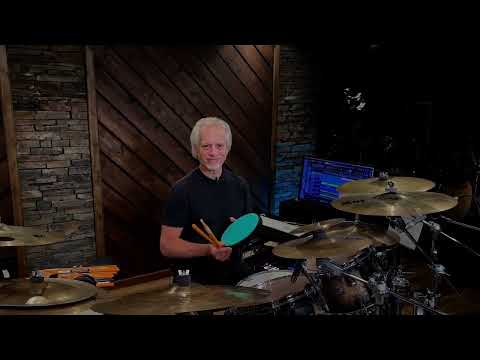
If you’re concerned about how to practice drums quietly without losing the essence of jazz touch, try this: use brushes or bundled rods even on silent pads. The attack is still articulate, and you’ll develop a lighter, more sensitive hand technique. Some of the best silent drum pads are responsive enough that you can feel the sweep of a brush—it’s not identical to a coated snare head, but it’s close enough to train your muscle memory. I’ll often do entire brush drills on a pad kit while watching a muted video of a Joe Morello solo. Non-drummers would think I’m nuts, but you know how it is.
So whether you’re ready to buy jazz drum kit pieces one at a time, grab a full jazz drum set for sale, or simply dip your toes in with a silent practice pad kit rent deal, the options today are exciting. You can build a quiet drum practice setup that fits under your desk, tucked into a corner of the living room, and still sound huge in your headphones if you add a simple module for electronic triggering later. The line between acoustic and digital has blurred in the best way, and jazz players are reaping the benefits.
I guess what I’m saying is this: don’t let volume constraints kill your momentum. The technology is there, and the used market is full of affordable jazz drum sets just waiting to be played. All it takes is a little curiosity and maybe a quick search for that rental drum set near me to see what’s possible. Your late-night ride cymbal obsession doesn’t have to wake the whole block anymore.