





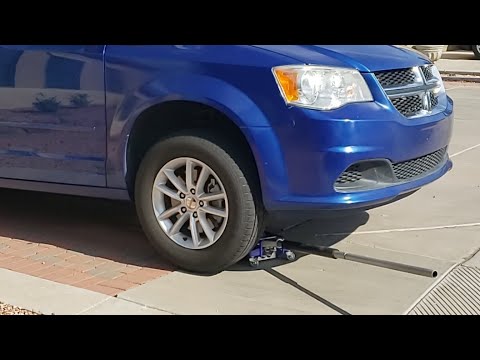





Flat Tire Panic? Here’s the No-Stress Guide I Wish Someone Gave Me Years Ago
Look, nobody plans for a flat tire, but once you’ve been through it a couple of times, it stops being a crisis and turns into a mildly annoying pit stop. Whether you’re parked on a gravel shoulder or hear that dreaded thump-thump-thump on the highway, knowing what to do if tire punctured is the difference between a 15-minute fix and an hour of phone-scrolling desperation. I’ll walk you through it like we’re chatting on the curb with a coffee in hand.
Last summer, my cousin texted me a photo of a screw embedded in her tread, followed by “car tire repair near me” in all caps. She was three miles from home, no spare, no clue. We’ve all been there. The first thing I told her was simple: don’t yank out the object. That little piece of metal is actually plugging the hole. If you’ve got a tire puncture repair kit in the trunk, you’re already ahead of the game. If not, now’s the time to add one to your emergency stash. A basic kit usually includes a reamer, plug strips, rubber cement, and a tool to insert them. Learning how to fix a flat tire with a plug isn’t rocket science—it’s more like patching a bike tube but beefier.
Now, if you’ve ever wondered can you plug a tire yourself, the answer is absolutely yes—with a couple of caveats. Plugs work wonders for punctures in the tread area (think nails, screws, small debris). If the sidewall is damaged or the gash is larger than a quarter-inch, that’s a no-go—you’ll need a pro. But for a standard nail hole, the flat tire repair steps go like this: locate the leak (spray soapy water and watch for bubbles), pull out the foreign object with pliers, ream the hole to clean and size it, thread a plug strip through the insertion tool, coat it with rubber cement, and push it in firmly. Trim the excess, and you’re good. It’s surprisingly satisfying, like a DIY surgery for your car.
But let’s be real—sometimes you’re stranded with zero tools and no spare. That’s where inflating a tire without pump becomes the most creative part of your day. If you have a can of tire sealant (that gooey aerosol stuff), you can temporarily seal the hole and re-inflate the tire enough to limp to a shop. The tire sealant vs patch debate gets wild on forums, but here’s the gist: sealant is a band-aid, a patch is a permanent fix. Sealants coat the inside and seal small punctures while inflating, but they can ruin the tire’s inner liner and make a future patch impossible. A patch, applied from the inside by a technician, is the gold standard—it vulcanizes to the rubber and lasts the life of the tire. If you’re using a can, think of it as your ticket to the nearest garage, not a long-term solution. Also, warn your mechanic you used sealant; some hate the mess and may refuse the repair.
What if you have a pump but no plug kit? Some punctures are slow enough that you can fill the tire, then drive carefully while stopping to top up the air. I once nursed a tire 12 miles with a bicycle pump—no joke. Tire inflation tips for that scenario: over-inflate by a few PSI to buy time, keep speeds low, and avoid sharp turns. But if you’re not in the middle of nowhere, roadside assistance for flat tire is the stress-free button. Most insurers or auto clubs offer it, and they’ll either swap your spare or tow you. It’s okay to use it; you don’t get a medal for changing a tire in the rain.
Back to my cousin: she used a mobile tire service she found searching “car tire repair near me”. Within 40 minutes, a van showed up and plugged the hole right there in her driveway. Mobile repair is brilliant because you skip the tow and the wait. Sometimes they even patch from the inside if you request it. If you’re on the side of the road and safety is a concern (narrow shoulder, fast traffic), please call for help instead of kneeling next to passing trucks. No repair is worth a hospital visit.
One more thing about kits: not all tire puncture repair kit options are created equal. The cheap ones with sticky rope plugs work okay for emergencies, but the heavy-duty mushroom plugs and high-quality tools make a huge difference if you’re going to attempt it more than once. I’ve had a plug hold for 40,000 miles until the tread wore down, so don’t let the “temporary” label scare you—done right, it’s robust.
Now, inflation wisdom: after any repair, check the pressure with a gauge. Don’t eyeball it. Underinflation is the sneaky reason a repair fails later. And if you used a can of sealant, get the tire dismounted, inspected, and properly patched within a day or two. Many drivers forget about tire inflation tips and then wonder why the low-pressure light comes back on. Tire pressure drops with temperature too, so in winter you might need to top off even after a fix.
Remember the flat tire repair steps I laid out? Here’s a quick mental flow: stay calm, assess the puncture, decide whether to plug it yourself or call for help. If you’re comfortable, break out that kit and follow the instructions. If you’re not, search “car tire repair near me” or call roadside assistance for flat tire. There’s zero shame in it. The only bad choice is ignoring the flat and driving on it because that destroys the tire and the rim—ask me how I know.
So pack a decent tire puncture repair kit, a portable compressor (or at least a can of sealant), and a pair of gloves. Knowing how to fix a flat tire is one of those adulting skills that feels ridiculously good the first time you nail it. And next time someone texts you in a panic, you’ll be the calm voice of reason, probably while safely off the road with a snack in hand.