









Yoga vs Pilates: I Tried Both So You Can Actually Know What to Pick
If you’re stuck in the whole yoga vs pilates debate and your brain feels like a browser with too many tabs open, breathe. I’ve been there. This is the friendly, no-lecture guide to help you figure out which one your body is quietly asking for—and how to start without overcomplicating it.
Okay, so picture this: you’re on your mat, or maybe you haven’t even bought a mat yet. You keep seeing people twist themselves into pretzels or glide on weird machines and you think, “Is that yoga? Is that Pilates? Do I need to be bendy? Will I die?” I promise you won’t die. But I get why it feels confusing, because everyone talks about them like they’re rivals when really they’re more like cousins who borrow each other’s clothes.
Let’s get the big one out of the way: yoga vs pilates. Yoga is way older, rooted in breath, mindfulness, and holding poses that build flexibility and calm. It’s not just stretching—it’s like a moving meditation that also makes your hips forgive you for sitting all day. Pilates, on the other hand, is the sharp, focused younger sibling. It’s all about controlled movement, building deep core strength, and making your body work like a well-oiled machine. If yoga says “flow and feel,” Pilates says “engage and repeat.” Neither is better. They just scratch different itches.
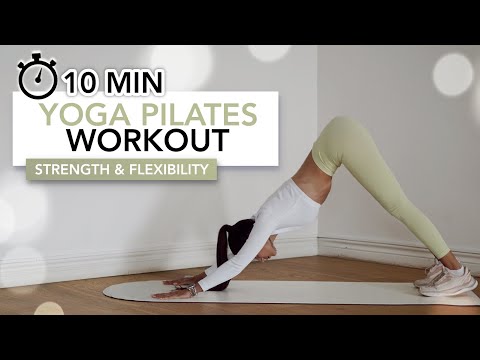
If you’re a total newbie, here’s the comforting part: yoga beginners and pilates beginners are not expected to know anything. You don’t need fancy leggings, a pedigree, or the ability to touch your toes. You just need a floor and about 15 minutes. For yoga, I always tell people to start with beginner yoga poses like cat-cow, child’s pose, downward dog, and a gentle standing forward fold. Seriously, just these four for a week will teach you more about your body than a hundred Instagram reels. Cat-cow wakes up your spine, child’s pose teaches you to breathe into your back, downward dog gets your hamstrings talking, and forward fold is like a reset button. You don’t need to nail the shapes perfectly. You need to show up and feel what’s tight, what’s weak, and what’s been ignored.
Now, if your lower back has been sending you passive-aggressive messages after long desk days, yoga back pain relief is not a myth. It’s not a magic cure, but gentle yoga that focuses on spinal mobility and hip opening can genuinely ease that stiff, achy feeling. Poses like knees-to-chest, supine twist, and bridge help your back remember it can move without fear. The key is patience—don’t force a stretch to prove something. Your back will thank you more for five slow breaths than for five aggressive yanks.
But maybe you’re not in a stretchy, spiritual mood. Maybe you want to feel strong, like your torso is a solid brick house. That’s where pilates core workout energy comes in. You don’t need a reformer machine to feel it. A pilates home practice can be as simple as lying on your back and doing pelvic tilts, single leg stretches, and the hundred if you’re feeling spicy. The magic of Pilates is that it makes you obsessed with your deep abs and pelvic floor—muscles that never get enough attention in regular workouts. You can do a 10-minute pilates core workout on your living room rug and feel taller the next day. That’s not an exaggeration. Your posture literally improves because your core is doing its job instead of napping.
Here’s the thing about pilates beginners: you might feel like you’re doing “nothing” at first. The moves look small. You’re not sweating buckets. But then you try to lift your head and shoulders off the mat while keeping your ribs down, and suddenly your abs are screaming in a language you didn’t know they spoke. That’s the good stuff. Start pilates with just three or four mat exercises—pelvic curl, chest lift, toe taps, and bird dog if you want a challenge. Do them slowly. Count your breaths. Don’t rush. The slower you go, the harder it gets, which sounds like a riddle but is just Pilates being honest.
Now, what about the fancy machines? If you ever get a chance to try a pilates reformer workout, do it. The reformer looks intimidating with its springs and straps and sliding carriage, but it’s actually super beginner-friendly because it supports you while also challenging your stability. You lie down, your body is aligned, and the springs give you resistance in both directions. It feels like your muscles are being introduced to each other. A pilates reformer workout will humble you in the best way—your legs might shake, your core might tremble, and you’ll walk out feeling like you’ve been ironed out and energized at the same time. If you don’t have access to a studio or machine, don’t worry. Mat Pilates is not a watered-down version; it’s just a different flavor. You can build a strong foundation at home with zero equipment.
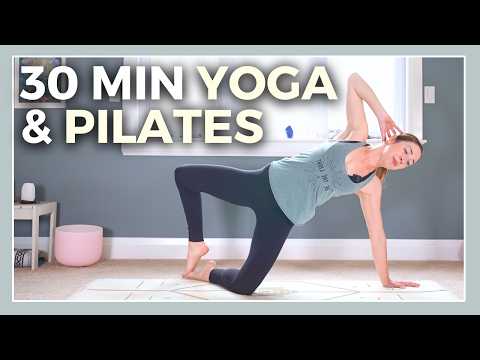
So how do you choose? Honestly, you don’t have to. The best answer to yoga vs pilates is often both, just on different days. Maybe start your week with a gentle yoga flow to undo tightness and calm your nervous system. Then in the middle of the week, do a pilates core workout to feel powerful and connected. On weekends, if you’re feeling adventurous, try a beginner yoga sequence that includes hip openers, or challenge yourself with a slightly longer pilates home routine. Listen to your body, not the internet. Some days you need to breathe and stretch. Other days you need to fire up your core and feel your own strength. Both are valid. Both are medicine.
One last thing: don’t let a bad first class or a wobbly attempt convince you that you can’t do this. The most flexible person in the room was once a yoga beginner who couldn’t reach their shins. The strongest core in the studio was once a pilates beginner who shook through a single pelvic curl. You don’t need to be good at this today. You just need to be curious enough to come back tomorrow. Your body is already waiting for you.