








That Weird Trick Where You Get Stuff Done Just Because Someone Else Is (Virtually) There
You know that feeling when you’re stuck in quicksand, unable to start a task, but the moment a friend sits down next to you, suddenly your brain clicks into gear? That’s body doubling, and it’s not just magic—it’s a legit strategy, especially for ADHD brains. But here’s the twist: you don’t even need them in the room anymore. Remote body doubling is exploding, and it’s basically the coziest, most effective productivity hack nobody told you about.
I still remember the first time I accidentally discovered this. A friend and I were on a video call, both complaining about our endless to-do lists. “Let’s just mute and work,” she said, “and we’ll check in after 45 minutes.” I thought it was silly—how could seeing her little thumbnail, head down and scribbling, make a dent in my procrastination? Forty-five minutes later, I’d cleared my inbox and outlined a report I’d been avoiding for a week. That’s when I fell down the rabbit hole of adhd body doubling and realized there’s a whole world of focus with others online that I’d been missing out on.
So what exactly is this thing? Body doubling is simply working on your own task while someone else works on theirs, in the same space—physical or virtual. For folks with ADHD, it’s pure gold because it externalizes motivation. You borrow a little bit of their focus, and suddenly the silence isn’t empty; it’s filled with a quiet sense of “we’re doing this.” The online version, body doubling online, takes that same principle and throws in WiFi: you join a video call, a livestream, or a dedicated virtual coworking session, and you get to work while seeing others do the same. No chatting, no collaboration—just parallel work with the gentle hum of accountability.
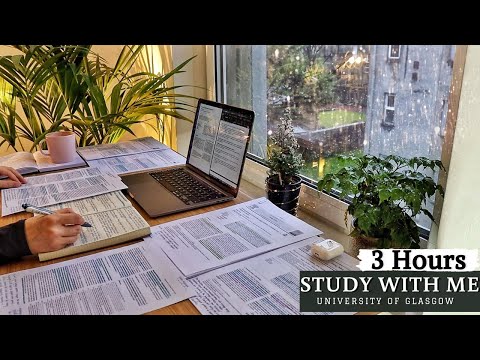
What’s brilliant about remote body doubling is how flexible it’s become. You can hop into a “study with me live” stream on YouTube where someone has set up a pomodoro timer and soft lo-fi beats. Thousands of strangers join, all silently grinding through their own piles of work. Or you can sign up for structured online study hall platforms like Focusmate, Flow Club, or StudyStream, where you get paired with a real person for a 25- or 50-minute sprint. Some people even organize their own virtual coworking sessions with friends via Zoom or Discord—just a quick text of “body doubling in 10?” and you’ve got an instant work date.
If you’re wondering how to body double remotely without it feeling awkward, I’ve got you. The beauty is that you don’t have to perform. Your virtual accountability partner isn’t there to judge your messy desk or the fact that you’ve spent ten minutes refining a single email subject line. When I first tried it, I was terrified I’d be distracted by watching others, but it’s the opposite. At the start, you briefly say what you plan to accomplish, then you mute your mic and share screens if you want (totally optional). At the end, you unmute and share a win—or a “well, I tried.” That tiny ritual alone can flip your brain from “this task is impossible” to “okay, let’s just open the document.”
The range of options means you can tailor the experience. Need high-energy buzz? Join a “silent disco” style study with me live stream where the chat is popping with emojis and check-ins. Crave a calm, one-on-one vibe? Book a virtual coworking session on a platform that emphasizes no-show penalties and warm human connection. There’s even something deeply comforting about knowing that at 2 a.m., when your motivation has fled, there’s a roomful of people in an online study hall halfway across the world, all staring at their screens with you.
I’ve come to think of it as a productivity prosthetic. Because here’s the thing: ADHD productivity tips usually revolve around planners, timers, and “just focus harder.” They ignore how much our brains rely on social cues. Body doubling works with your wiring instead of against it. The presence of another person—even a pixelated one—creates a gentle container. You’re less likely to spiral into a YouTube rabbit hole when you can see your virtual accountability partner quietly typing away. It’s like having a gym buddy for your brain, minus the sweat.
And the community around remote body doubling is surprisingly wholesome. In many sessions, you’ll see people in the chat sharing small wins, offering encouragement, or just posting a “let’s goooo” before the timer starts. There’s zero pressure to be productive in any specific way. I’ve used sessions to fold laundry, to draft hard emails, even to do my taxes. The only rule is you show up with something to work on. One time, my virtual coworking session partner was a student in Mumbai studying for medical exams while I was decluttering my closet in Chicago. We didn’t exchange a word beyond the initial hello, but that shared hour felt weirdly sacred.
If you’re new to this, start small. Pick a 25-minute session rather than a marathon. Commit to just opening your laptop and showing up, nothing more. You can search for “study with me live” on YouTube right now and dip your toes in—it’s free and zero commitment. For a bit more structure, adhd body doubling platforms often have communities specifically designed to support neurodivergent folks, with hosts who understand that you might need to wiggle, doodle, or switch tasks mid-stream.
I’ve noticed that the people who get the most out of focus with others online are those who let go of perfectionism. Your workspace doesn’t have to look Instagram-ready. You don’t need to be hyper-efficient. The goal is simply to be in the same digital room with someone else who’s also doing their best. In a world that glorifies solo hustle, remote body doubling is a quiet rebellion—it says, “I do better when I’m not alone, and that’s okay.”
So the next time you’re staring at a blank page or a sink full of dishes, resist the urge to doom-scroll. Find yourself a body doubling online session instead. Whether you go for a bustling online study hall or a one-on-one virtual accountability partner, you might just find that the missing ingredient wasn’t more discipline—it was more connection. And honestly, getting things done while feeling accompanied instead of isolated? That’s a life upgrade worth logging on for.