








Your Hiking Plan Isn’t Just a Paper Map—It’s Your Ticket to a Stress-Free Adventure
A buddy once told me the scariest sound in the woods is silence after you realize you’re lost. I’ve been there, stomach dropping, and it’s why I now treat hiking route planning like packing my favorite snack: non-negotiable. This guide isn’t about rigid rules; it’s about simple, doable habits that keep the trail fun and your head clear.
I remember my first “real” hike—no cell service, a trail that split three ways, and a sinking feeling that I’d picked the wrong fork. I hadn’t really bothered with how to plan a hiking route beyond skimming an online trail description. Big mistake. That afternoon taught me that a little prep before you lace up your boots can turn a potential panic into a peaceful ramble. Let’s talk through it like we’re sitting around a campfire, because honestly, the best hiking safety tips come from people who’ve messed up and figured it out.
When you’re diving into hiking route planning for beginners, start with a reality check. How far do you actually enjoy walking? Not your “I could probably do 10 miles” optimism, but what feels good when you’re halfway and your feet are chatting. Pick a trail that matches your fitness and the time you have. Daylight is sneaky—it vanishes faster in the trees. I always overestimate how long I’ll take, because stopping to snack, take photos, and just breathe is the whole point. A solid hiking trip planning checklist doesn’t just list gear; it starts with knowing the trail’s distance, elevation gain, and estimated time. These days I rarely head out without checking recent trip reports. That’s where the best hiking apps for route planning shine. Apps like AllTrails, Gaia GPS, and Komoot let you see real people’s photos of the trail conditions, washed-out sections, or that surprise creek crossing. They’re not just maps; they’re like having a friend who hiked it yesterday whisper in your ear.
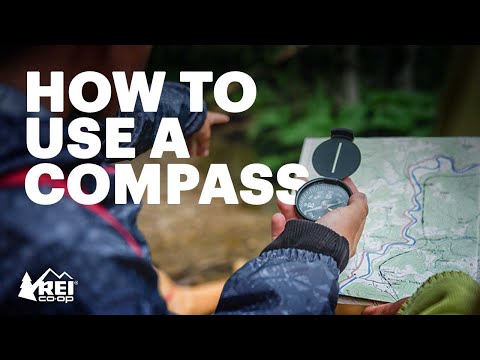
But here’s the thing—apps are a tool, not a crutch. Phones die, screens crack, and batteries drain faster in cold weather. So I always back up my plan with a physical map or at least a downloaded offline version. Learning how to read a topographic map is like unlocking a secret language of the land. Those wiggly contour lines tell you where the steep climbs are before your legs find out the hard way. If lines are crammed together, you’ll be huffing. If they spread out, you can cruise. Pair that with a basic compass, and you’re already ahead of most day hikers. Practicing how to navigate hiking trails with a map and compass on a local easy route builds muscle memory so you’re not fumbling when fog rolls in or the trail disappears across a granite slab.
Now, let’s stuff your pack. I used to carry way too much junk, then too little. The sweet spot is the what to bring for a day hike list that covers the essentials without weighing you down. Water is obvious, but also bring a filter or purification tablets—streams aren’t as pristine as they look. Food that packs a punch: trail mix, a sandwich, an extra bar you hope you won’t need. Weather can flip in an hour, so a rain jacket, an insulating layer, and a hat are part of the essential hiking safety gear squad even on bluebird days. I toss in a headlamp every single hike, no exceptions. A twisted ankle that slows you down at 3 p.m. could mean finishing in the dark. And here’s a small item that saved my sanity more than once: a lightweight sit pad. It keeps you dry and warm when you stop, and you’re way happier.
Safety gear isn’t just about stuff, though. It’s about mindset. Before I go