











Keep Your Boat Happy: A Friendly Guide to Basic Maintenance That Won’t Make You Hate Weekends
Hey there, boat owner. You love that feeling of salt spray and open water, but you might be a little less in love with the chore list that comes with it. I get it. The good news? A lot of basic boat maintenance is way simpler than it looks, and once you get a rhythm going, it becomes second nature. You don’t need to be a marine mechanic to keep your pride and joy in top shape—just a curious attitude and a few Saturdays here and there. Let’s walk through the stuff that actually matters, with no fluff, just real talk from someone who’s made the mistakes so you don’t have to.
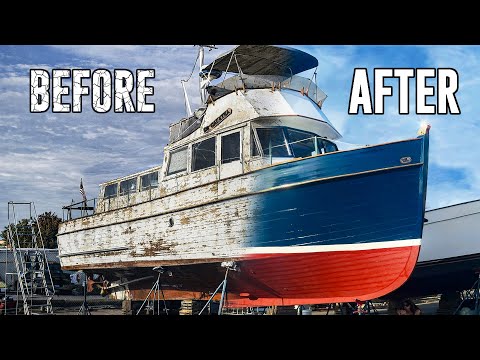
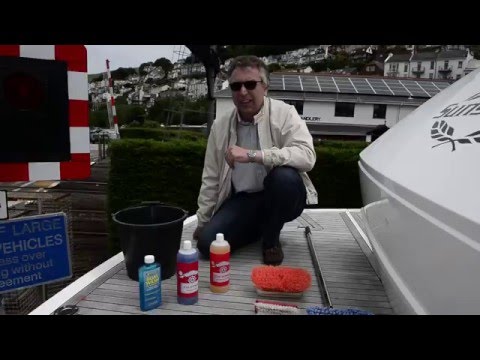
I remember the first time I pulled my little bowrider out of the water at the end of the season. The hull looked like a science experiment gone wrong. That’s when I truly learned how to clean boat hull the right way, and it wasn’t just about aesthetics. A dirty hull slows you down, burns more fuel, and if you let it go too long, that slime and scum can actually damage the gelcoat. Unless you like donating extra cash to the fuel dock, make hull cleaning a regular thing. A soft brush, a bucket of soapy water with a marine-specific cleaner, and some elbow grease go a long way. For stubborn stains, a little oxalic acid-based cleaner works magic, but wear gloves and keep it off the trailer. If you trailer your boat, clean it at home with a pressure washer on a low setting, but be careful around decals and caulking. If it stays in the water, hire a diver for monthly scrubs or invest in a good hull cleaning mitt and get wet. Trust me, your boat will thank you with an extra knot or two.
Now, while we’re on the topic of the hull, let’s talk about that shiny finish. Knowing how to wax a boat is another one of those skills that feels like a luxury but is really a protection layer. Think of wax as sunscreen for your gelcoat. Without it, UV rays will oxidize the surface into a chalky mess. I usually do a full compound and wax job once a year—after a thorough wash, I’ll use a dual-action polisher with a cutting compound if there’s heavy oxidation, then follow up with a good marine wax. It’s a workout, but watching the water bead up like little jewels when it rains? Chef’s kiss. Hand waxing is fine for small areas, but if you’ve got a 30-footer, get a machine. And don’t forget the topsides and the deck—anywhere the sun hits, wax is your friend.
Next up, the heart of the beast: the engine. I’ve got a few boat engine maintenance tips that have saved my bacon more than once. First, always, and I mean always, do a visual check before you turn the key. Look for loose belts, fluid leaks, and critters that might have moved in. Check your oil regularly—some folks think you can just wait for the annual change, but if you’re out often, pull the dipstick every few trips. And speaking of that, a marine engine oil change is way easier than you think. On inboard engines, you’ll need a pump to suck the oil out through the dipstick tube; on outboards, you just tilt the engine down and drain it. Do it warm so the oil flows. Don’t forget the filter, and always dispose of old oil properly—most marinas have a collection tank. If you’re like me and sometimes put things off, set a phone reminder for every 100 hours or once a year, whichever comes first. While you’re down there, glance at the fuel-water separator filter, spark plugs, and impeller. An impeller that’s starting to crack can leave you stranded, so I swap mine every other year, no matter what.
Electrics can be a dark art, but basic boat battery maintenance is something you can handle with a couple of tools. Corrosion on terminals is the silent killer of starting power. Mix baking soda and water, scrub the terminals with a wire brush, rinse, and then slather on some dielectric grease. Keep the battery topped up with distilled water if it’s the serviceable kind, and always disconnect it when the boat is in storage. A cheap trickle charger or a solar maintainer will keep it from going flat over the winter—more on that in a bit. And check those connections; a loose negative cable can mimic all sorts of gremlins.
Interior care is a huge part of the game, and too many people overlook how to maintain boat upholstery until it’s cracked and faded. Vinyl seats take a beating from sun, sand, and wet swimsuits. I’m religious about wiping them down with a dedicated marine vinyl cleaner after every trip, and once a month I’ll use a protectant with UV blockers. Don’t use Armor All or anything with silicone—it dries out the material. For mildew, a mix of water and white vinegar works wonders. And here’s one of my favorite boat storage tips: if you’re keeping the boat outside under a cover, crack open the cushions or stand them up so air can circulate. Mildew hates airflow. In winter, I pull all the cushions and store them indoors if possible. Makes the cabin feel like a sauna otherwise.
Speaking of winter, if you live where water freezes, a yacht winterization guide is your Bible. One forgotten step can cost you an engine block. I’ll run through my routine: fog the engine, change the oil and filter, drain the block and manifolds (or use marine antifreeze—the pink stuff—to flush the raw water side), and pour antifreeze into the head and any livewell pumps. Stabilize the fuel with a marine stabilizer and run the engine to circulate it. Then pull the battery and store it somewhere dry and cool. Cover it with a good, breathable tarp, and don’t forget to open all seacocks so they drain. The idea is to remove anything that water can freeze and expand in. I hang a checklist on the garage wall because my memory is not to be trusted after a long summer.
Now, for those of you with inflatable tenders, don’t toss it when it gets a leak. Inflatable boat repair is ridiculously satisfying and often takes just a tube of PVC or Hypalon glue and a patch. Find the leak with soapy water, clean the area with MEK (careful, that stuff is strong), cut a rounded patch, apply the adhesive to both surfaces, wait until tacky, and press together. Roll it with a seam roller and let it cure 24 hours. I patched a three-inch tear on my old dinghy and it held for years. It’s a skill that pays for itself the first time you don’t buy a new tender.
Let me give you a basic boat maintenance checklist that I run through before and after every trip, because it keeps me from forgetting the obvious: check hull and drain plug (put it in!), test bilge pump, check engine oil and coolant, visual inspection of belts and hoses, battery connections snug, safety gear aboard, and give the trailer a once-over if you’re towing. After the trip, flush the engine with fresh water if you’re in salt, rinse the hull and trailer, and wipe down seats and electronics. It takes 20 minutes and saves hundreds in corrosion damage.
Ultimately, all these tasks—whether it’s how to clean boat hull buildup or a marine engine oil change—are just ways to spend more time on the water and less time writing checks to a mechanic. When you know your boat inside and out, you catch small problems before they turn into emergency calls to Sea Tow. And there’s a deep, quiet pride in sitting at anchor with a cold drink, knowing that you did the work yourself. You become a better boater, more in tune with every creak and shimmy. So grab that grease gun, throw on some tunes, and make a day of it. Your boat is more than a toy; it’s a companion. Treat it right, and it’ll take you to some pretty incredible places.