











Why I Finally Ditched My Spirit Level (And You Should Too for Indoor Projects)
Ever hung a gallery wall that looked like a rollercoaster? Me too. That’s when I discovered the game-changing combo of a laser level and a distance meter—and I’m never going back. Here’s my guide to finding the best interior laser level, whether you’re renting or buying, and how to use these tools like a pro without the guesswork.
I’ll never forget the afternoon I spent three hours mounting floating shelves in my living room. I had my trusty spirit level, a pencil, and a whole lot of optimism. By the end, the shelves looked straight if you squinted, but the second I placed a row of books on them, the uneven gaps screamed at me. That’s when my contractor friend laughed and said, “You’re still using a bubble for this? You need a laser level, man.” I was skeptical, but after borrowing his cross-line laser, I felt like I’d been living in the dark ages.
So let’s chat about what a laser level is actually used for, because it’s way more than just hanging pictures. At its core, it projects a perfectly level (or plumb) line of light onto your wall, floor, or ceiling. You can use it to align tiles, install cabinets, run wainscoting, map out a chair rail, or even check if your floor is flat enough for new flooring. Paired with a distance meter—that little handheld gadget that shoots a laser to measure distances instantly—you’ve got a setup that makes interior work feel like cheating. No more fumbling with a tape measure that sags in the middle or gets tangled up.
Now, you might wonder about the good old laser level vs spirit level debate. I still keep a small spirit level in my toolkit for quick checks, like making sure a single shelf bracket is level before anchoring it. But for anything that spans more than a couple of feet, a laser level is streets ahead. A spirit level only tells you if the bubble is centered at the exact spot you place it; a laser level gives you a continuous reference line across an entire room. I once tried to level a series of coat hooks down a hallway with a 24-inch spirit level, and by the time I reached the end, I had created a gentle wave. With a self-leveling cross-line laser, I just set it on a tripod in the corner, turned it on, and every hook lined up perfectly in one go.
If you’re gearing up for a laser level for home renovation, the big question is: should you rent or buy? It all comes down to how often you’ll use it. For a one-weekend project like tiling a backsplash or installing a picture ledge, renting laser measuring tools makes total sense. You can search “laser level rent near me” and find plenty of equipment rental places that carry solid models—often Bosch, DeWalt, or Huepar units—that are fully calibrated and ready to go. I did exactly that last month when I helped my sister put up a chair rail in her dining room. For about $25 for the day, we got a self-leveling green laser that was bright enough to see even with the windows open. No storage clutter, no maintenance, and we returned it with a smile.
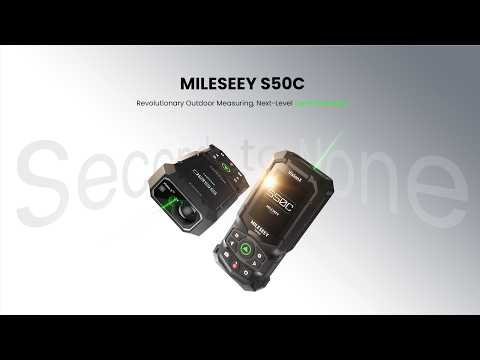
But if you’re like me and you keep finding new projects every other weekend, you might want to buy interior laser level tools outright. I finally caved and purchased a compact green-beam cross-line laser with a magnetic bracket, and I use it constantly—from checking if new furniture is level on a slanted floor to making sure my drill holes for a mirror line up. When I was shopping, I looked for what I’d call the best laser level for interior work: something with a self-leveling pendulum, a pulse mode for use with a detector (though indoors you rarely need that unless you have huge sunlit rooms), and crisp green lines because they’re way more visible than red indoors. I ended up with a mid-range model that didn’t break the bank, and it’s been a trooper.
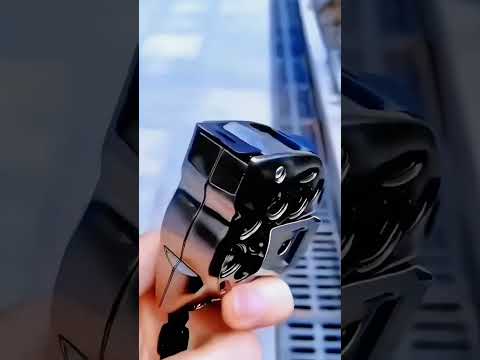
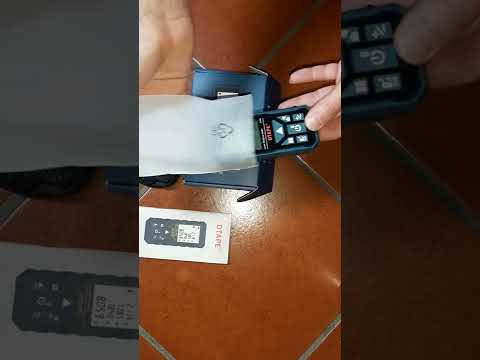
Now, don’t sleep on the distance meter. These little wonders are often overlooked, but once you have one, you’ll wonder how you lived without it. They let you point, click, and instantly get the distance to a wall, the height of a ceiling, or the width of a nook—all without a second person holding the dumb end of the tape. I’ve seen distance meter rental options at the same places that rent laser levels, and it’s worth grabbing one for a day if you’re doing a lot of measuring. Or, if you’re ready to commit, there are plenty of quality units for sale online and at hardware stores. I bought a simple 100-foot range one that has a continuous measurement mode—pure gold when you’re trying to find the center of a room for a light fixture and you can just walk around with the device and watch the numbers update in real time.
How to use a laser level indoors might seem obvious, but I’ve picked up a few tricks that make a world of difference. First, invest in a lightweight tripod or a magnetic wall mount because propping it on a stack of boxes is a recipe for frustration. Most interior lasers are self-leveling, meaning they compensate if your floor is slightly uneven, but you still need the unit within a few degrees of level for that to work—a tripod makes that effortless. Second, if you’re working in a bright room, grab some laser enhancement glasses (they make the line pop) or just wait until the sun moves. I learned the hard way that even a green laser can wash out in direct sunlight streaming through a window. Finally, for precise distances, use the distance meter’s Pythagorean function to measure heights indirectly—point at the top and bottom of a wall, and it calculates the height for you. No ladder needed.
When it comes to buying, whether you’re on the hunt for a distance meter for sale or a laser level, check the specs. For indoors, you don’t need a massive range—50 feet is plenty for most rooms. Look for a laser with a bright beam, accuracy within ±1/8 inch at 30 feet, and a locking mechanism so it can project lines at angles when self-leveling isn’t needed. The market is flooded with options, but I’ve found that brands like Huepar, Bosch, and Johnson deliver reliable interior lasers without the contractor price tag. If you just want to dip your toes in, renting laser measuring tools first lets you test drive a few models before you commit. Call up a local rental shop or search “laser level rent near me” to see what’s available; many places will deliver to your site for a small fee, which is a lifesaver if you’re without a truck.
In the end, the shift from spirit levels to laser tools has made my home projects not only more accurate but a whole lot faster and more fun. There’s something deeply satisfying about seeing that crisp green line stretch across a wall, knowing everything will line up before you even touch a screw. Whether you choose a distance meter rental for a one-off project or decide to buy interior laser level gear to keep around, you’ll wonder why you ever struggled with a bubble and a prayer. Happy leveling!