











Hey, Have You Considered a Drone for Your Farm? Here’s the Real Scoop on Renting vs. Buying for Spraying & Mapping
If you’ve ever typed “drone spraying services near me” into a search bar, stared at the results, and then asked yourself, “Should I just get my own rig?”—you’re in good company. I’m going to break down whether it makes more sense to rent agriculture drone setups or buy agricultural spraying drone equipment outright, along with what you need to know about mapping, scouting, and actually getting that spray where it needs to go.
Let’s start with the moment that kicked this whole conversation into gear for me. Last spring, a neighbor who farms about 400 acres of wheat and soybeans was fighting a nasty fungal outbreak in a corner of his pivot. He called around looking for drone spraying services near me (well, near him, but you get the idea) because the ground was too soft for a tractor rig. The quote he got for a single targeted spray job was surprisingly reasonable—cheaper than renting a high-clearance sprayer and definitely faster. But then he started thinking, “I’m going to have more spots like this every year. Where does it tip over from hiring a service to owning?”
That’s the exact crossroads a lot of folks are hitting. And honestly, the answer isn’t one-size-fits-all. It hangs on how many acres you work, what you grow, and how curious you are about the data side of farming.
Before you even think about writing a check, you should understand what these machines can do beyond just dumping liquid. A good chunk of the value is in the drone mapping for agriculture side. Even a $1,500 consumer drone can do a basic drone survey farm land mission and spit out an orthomosaic—a high-res, stitched-together image where you can spot drainage issues, uneven emergence, or weed patches you’d never see from the truck. The best drone for farm mapping, though, usually comes with a multispectral sensor that captures near-infrared light. That’s the magic sauce for creating NDVI maps that show plant stress days before your own eyes can pick it up. You can use that same drone for crop scouting, zipping over a suspicious spot in two minutes instead of walking half an hour through chest-high corn.
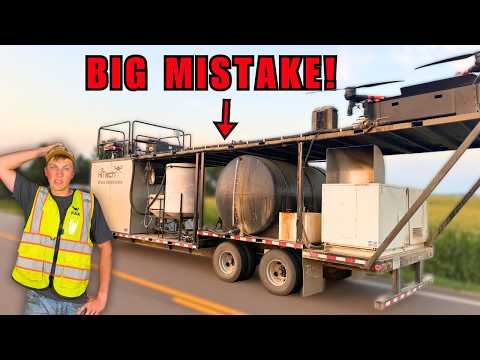
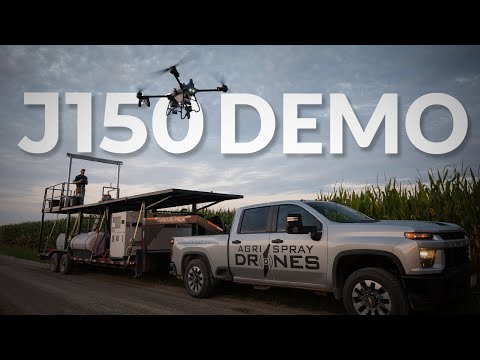
Now, spraying is a different animal entirely. When you wonder how to spray crops with drone instead of a ground rig, the mechanics are pretty wild. These aren’t your photography drones with a squirt bottle taped on. A real agricultural spraying drone has a big tank (often 10 to 20 liters), multiple high-speed nozzles, and a downward rotor wash that pushes the spray into the canopy. It flies a pre-programmed pattern, dodges obstacles, and can treat a specific area without trampling anything. You can spot-spray a fungus hotspot, treat the edges of a field that a boom sprayer always misses, or do an entire small plot in minutes. The coverage is uniform because the drone maintains exact height and speed, which is tricky to do with a hand boom or a tractor on uneven ground.
So when does it make sense to rent agriculture drone instead of buying? The big factor is the agricultural drone rental cost versus the upfront hit of a purchase. If you only need a drone three or four times a season—say, for early-season weed escapes in a few difficult corners or a late-season fungicide pass on a specialty crop—renting is a no-brainer. Many dealers and independent operators now offer rent agriculture drone packages by the day or week, with or without an operator. You might pay anywhere from $300 to $800 a day for a fully rigged spraying drone depending on capacity, and that includes all the batteries and chargers you’ll need. Some places even throw in basic training so you’re not reading the manual in the field. That’s pocket change compared to tying up $15,000 to $25,000 in hardware that sits in the shed for 48 weeks a year.
But if you’re running a diversified vegetable operation or managing high-value crops like vineyards or orchards where precise, low-volume spraying is a regular thing, the math starts to favor ownership. The drone pesticide sprayer price has come down a lot—you can get a capable 10-liter spraying drone with terrain-following radar and a good controller for around $10,000, and the really advanced models with RTK positioning might push $18,000. Sure, that’s not pocket change, but compare it to the cost of a new self-propelled sprayer or even a quality ATV sprayer, and a drone starts looking like a bargain when you figure in zero soil compaction and the ability to treat plants from above without crushing anything. Plus, you can use the same drone for crop scouting and mapping missions by swapping the tank out for a high-resolution camera or a multispectral sensor, so you’re getting a dual-purpose tool.
I had a conversation with a fellow who runs a custom spraying business and he told me that half his clients searched “drone spraying services near me” after they’d already priced out a tractor-based applicator and cringed at the minimum call-out fee. His rates are per acre, generally between $8 and $15 depending on crop type and terrain, and he can knock out a 20-acre block in a morning. His rig is a heavy-lift model that carries 16 liters and flies at 15 mph, and he’s done everything from fungicides on rice to cover crop seeding. He’s also the first to admit that if a farmer is doing more than 500 acres a year of the same treatment, it’s probably cheaper to buy and learn to do it themselves. But for the rest, his phone keeps ringing.
If you’re leaning toward buying, how do you pick the best drone for farm mapping and light spraying? Don’t get caught up in spec-sheet buzzwords. For mapping, you want something with a mechanical shutter camera (rolling shutters can ruin a good orthomosaic) and the ability to fly a grid mission on autopilot. The DJI Phantom 4 RTK with a good mapping app is still a solid pick for pure drone survey farm land work, and it’ll run you under $6,000 with the base station. For spraying, I’d look at dedicated ag platforms like the DJI Agras T25 or T40, or the XAG P100. These are purpose-built, and you’ll find plenty of support communities and local dealers who can teach you how to spray crops with drone the right way—things like swath width, droplet size selection, and battery management. A quick tip: don’t ignore the charger setup. The bottleneck is often how fast you can recharge multiple flight batteries, not the drone itself.
One hybrid approach I’m seeing more of is farmers who buy a capable mapping drone and then rent agriculture drone sprayers only when needed. They use their own bird to do weekly drone for crop scouting trips and generate prescription maps, then hand that data to a spraying service or to the rented unit. It keeps them in the pilot’s seat without the maintenance headache. And since the agricultural drone rental cost is often 5-10% of the purchase price, it’s a very safe way to test whether you’d actually use it heavily enough to justify ownership.
And don’t forget the regulatory side. In the U.S., you need a Part 107 license from the FAA to fly any drone for agricultural purposes—even on your own land—if there’s any business use, and spraying usually requires a separate pesticide application license from your state. It’s not hard to get, but factor in a couple of weekends of study and a $175 test fee. If you hire drone spraying services near me, they bring all that with them, so it’s truly turnkey.
At the end of the day, whether you choose to rent agriculture drone equipment or buy agricultural spraying drone hardware, you’re tapping into a level of precision and flexibility that ground-based rigs simply can’t match. The next time you catch yourself wondering how to spray crops with drone in that awkward little patch by the creek, or thinking about using a drone for crop scouting before the canopy closes, know that the tools are ready—and there’s probably a rental option sitting in a case just a county over, waiting for you to give it a try.