










Why I Ditched the Supermarket and Found the Freshest Food (Without Leaving Home)
Ever wonder if you could get the crackling energy of a morning market—the shouting vendors, the crates of just-picked greens, the old lady who saves you the sweetest mangoes—delivered straight to your door? I did too, and after a few months of experimenting, I’m never going back entirely to supermarket aisles. Not because supermarkets are evil, but because combining traditional market soul with modern convenience is a game-changer for your kitchen and wallet.
You know that moment when you bite into a tomato that actually tastes like sunshine and earth, not refrigerated cardboard? That’s the magic of a traditional market. The veggies still have a bit of soil clinging to the roots, the fishmonger knows your name after three visits, and the bread lady saves you a warm pandesal if you wink at the right time. For years I thought you had to choose: either wake up at dawn, elbow through crowds, and haul heavy bags, or settle for the sterile predictability of a supermarket. Then my neighbor casually mentioned a local market food delivery service run by a group of market vendors who got savvy with a WhatsApp group. That tiny revelation sent me down a rabbit hole, and now I’m going to share what I’ve learned so you can get incredible fresh produce without sacrificing your Saturday sleep.
Let’s start with the obvious: traditional market vs supermarket. Supermarkets are convenient—everything under one roof, fixed prices, air-conditioned comfort. But the produce often travels thousands of miles, sits in cold storage, and gets waxed to look pretty. Traditional markets, especially in many cities across Asia, Latin America, and parts of Europe, are hyper-local. The spinach was probably picked yesterday from a farm 20 kilometers away. The fish may have been swimming that morning. The spices are ground by a family that’s done it for three generations. You smell, touch, taste, and build relationships. The trade-off? Time, parking hassles, and the occasional unexpected rain shower that turns the street into a river.
Now, here’s the beautiful twist: you don’t have to physically go there anymore if you find the right home grocery delivery service that sources from these markets. A lot of cities now have apps or community-driven groups where market vendors take orders via message and deliver on motorbikes. Not the shiny, venture-capital-backed apps—those are fine too, but I’m talking about the scrappy ones where you text “1 kilo pork belly, with skin” and a real person at the market picks it out for you. Some of the best grocery delivery apps that support local markets operate hyperlocally, so start by searching “grocery delivery near me” with the name of your local wet market or farmers’ market attached. You’d be shocked how many small-scale delivery networks pop up on Facebook or Instagram.
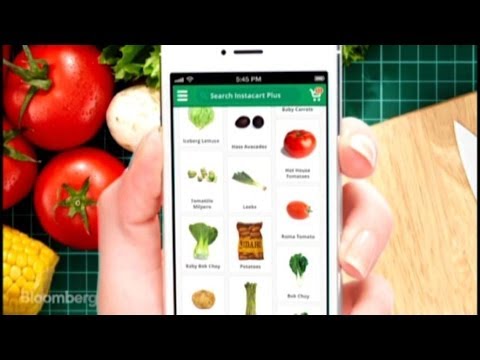
If you’re new to this, figuring out how to order groceries online from a traditional market feels intimidating. It’s not like adding items to a cart on a supermarket app with crisp product photos. It’s more like texting a friend: “Good morning! I’d like 2 bundles of water spinach, 1 whole free-range chicken cut into pieces, and a small bag of shallots. Can you also check if the mangoes are sweet today?” You pay via digital wallet or cash on delivery. The first time you open that box or plastic bag, the aroma of fresh herbs and toasted rice powder slaps you in the face—you’ll instantly know why it’s worth the slight messiness. Over time, you build a rhythm: maybe you order heavy items like rice, onions, and potatoes once a week via this service, and for specialty items you still pop into the supermarket. That blend is my sweet spot for weekly grocery shopping tips: plan your meals around what’s seasonal at the market, then fill gaps at the grocery store. You’ll eat better and spend less.
Speaking of spending less, let’s talk grocery shopping on a budget. Traditional markets often have volatile prices—they change daily based on supply and weather. But because you’re dealing directly with small-scale sellers, you can negotiate (politely, with a smile). My local egg lady always throws in an extra egg if I’m a bit short. A bunch of herbs that costs $3 at the store might be $1.50 at the market, and it’ll last twice as long because it’s fresher. When you buy vegetables online from a market delivery service, you’re usually getting them at market price plus a small delivery fee—often still cheaper than supermarket organic options. I now allocate about 60% of my grocery budget to market deliveries and 40% to supermarket staples I can’t easily get (like certain imported goods). My monthly food spending dropped by nearly 20% without feeling deprived.
What about people who are terrified of ordering fresh produce delivery because they can’t pick each apple themselves? I get it. You lose a bit of control, but I’ve found that the vendors care deeply about their reputation. If they send you a bruised gourd, you send a photo, and they’ll credit you next time or replace it. The trust builds fast. Some services even send a short video clip of them selecting your items at the market stall, which is oddly endearing. It feels like having a knowledgeable aunt do your shopping. That’s way more personal than any supermarket app algorithm.
Now, if you want to dip a toe, here’s a low-risk path. First, open your maps app and type “fresh produce delivery” or “local market food delivery” near your address. Look beyond the giant platforms; check community boards, Nextdoor, or local foodie groups. In many neighborhoods, there’s a retired uncle with a van who does market runs for a group of elderly neighbors—and he’d be happy to add you to the list for a small fee. That’s the original home grocery delivery service, long before apps. Next, pick one market vendor you trust (maybe the chicken guy or the veg aunty) and ask if they’re on any delivery chat groups. Often they’ll pull you in. Finally, treat your first order as a scouting mission: a small basket of essentials to test reliability and freshness. Once you’re hooked, you can scale up to a weekly basket.
I won’t lie, there’s still a place for the supermarket in my life. When I’m tired, or need something ultra-specific at 9 p.m., I’ll tap one of the mainstream best grocery delivery apps and get my milk and cereal in 30 minutes. But my soul—and my palate—now belongs to the chaotic, fragrant world of the traditional market, just delivered in a way that suits my modern life. The plastic bag crinkles with cilantro scent, the mackerel eyes are still clear, and I didn’t have to dodge a single motorcycle in the street. So if you’ve ever typed “grocery delivery near me” hoping to find something more alive than a supermarket aisle, maybe try adding the name of your closest wet market. You might just rediscover what food is supposed to taste like. And your grandma, wherever she is, will secretly nod in approval.