





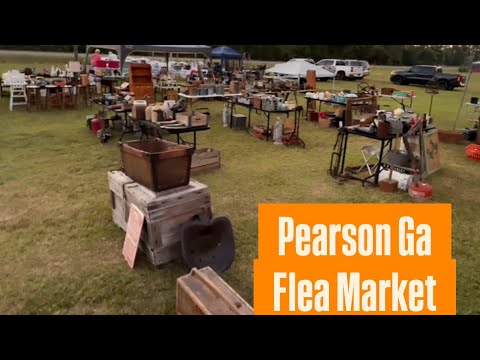





Your Ultimate, Pocket-Friendly Guide to a Flea Market Booth That Actually Sells
You know that electric buzz in the air when you walk through a flea market? The jumbled treasures, the haggle banter, the thrill of the find. Now imagine that buzz is coming straight toward your booth. I've been setting up at flea markets for years—sometimes with a truckload of vintage and sometimes with nothing but a car trunk and a dream—and I've learned that a successful flea market booth setup isn't about fancy gear, it's about being smart, scrappy, and welcoming. Let’s dig into how to make your spot the one people can’t walk past, even on a shoestring.
Think of your booth like a tiny pop-up shop. The first thing shoppers notice isn't your stuff, it's the overall vibe. I once watched a guy with gorgeous mid-century barware get zero attention because his table was a limp plastic thing sagging in the middle, while two booths down a seller of mismatched Pyrex was mobbed—she’d thrown a bright cotton bedsheet over a folding table, used empty wooden crates for height, and had some classic rock playing softly from a battery speaker. The difference was all in the flea market booth layout and those little, thoughtful flea market booth decorations. You don’t need to spend a dime on fancy props; a clean, color-coordinated fabric (a bedsheet, a shower curtain, even a painter’s drop cloth) instantly transforms a beat-up table. Put your most charismatic items at eye level—nobody bends down to browse unless you give them a reason.
Let’s talk about the bones of your setup. Many new vendors stress about how to set up flea market booth tables so they look full but not cluttered. Here’s the secret: forget one long line of tables that acts like a wall. If you can, create an L-shape or a gentle U-shape that invites people in. Even a single table pushed slightly forward from your canopy wall, with a small “island” crate display to the side, changes how shoppers relate to the space. For my own cheap flea market booth setup, I use a sturdy plastic folding table I snagged at a yard sale, then hit the Dollar Tree for small wire risers, wooden crates, and even those little easels meant for framed photos—perfect for propping up old records, plates, or signage. When you’re building a budget flea market booth, you want every flea market table setup to serve double duty. I’ve used a stack of vintage suitcases as a display surface and as storage for extra inventory; a wooden wine box turned on its side becomes a cubby for smaller items and adds that coveted rustic texture.
Speaking of storage, let’s chat about what to bring to flea market beyond your merchandise. I have a dedicated tote that lives in my car year-round. In it: a roll of packing tape, a Sharpie, price stickers (pre-printed with my name, so no one peels them off for a lower price), a small notebook and pen for logging sales, a pouch of change with at least $30 in ones and fives, a portable phone charger, zip ties, scissors, a lightweight tablecloth, clothespins (clamp-style are amazing for clipping fabric or hanging light items from your canopy), bungee cords, a first-aid kit, sunscreen, and snacks. Also, a foldable stool—you’ll thank me at hour four. And if it’s an outdoor market, never forget a tarp and weights for your canopy legs; I’ve seen a sudden gust turn a neighbor’s booth into a kite. Those practical items are the behind-the-scenes heroes of any flea market booth setup.
Now for the fun part: flea market display ideas that cost almost nothing but look curated. Group items by color or theme—a drift of sky-blue kitchenware on a white cloth feels more expensive than it is. Use height compulsively: overturned sturdy boxes or baskets covered with fabric become pedestals. A framed piece of chicken wire hung from your canopy can hold earrings or small packets. If you sell clothing, a clean wooden ladder leaned against a table becomes a rack for hanging pieces. I’m always scavenging fallen branches (big ones, cleaned and sanded) to suspend mobiles or hang lightweight textiles; it gives an organic, whimsical feel that shoppers love. Even your pricing signs can be decorative—chalkboard slates, a piece of old wood with white paint, or simple cardstock in a miniature frame. These flea market booth decorations signal that you care, and customers unconsciously assign higher value to goods that are nicely presented, even at a bargain price.
One of the best flea market vendor tips I ever got was to treat your booth like an interactive stage. Put something people can touch or smell—a stack of old postcards, a bowl of lavender sachets, a demo of how that weird vintage tool works. I sell a ton of glassware simply because I set a few colorful juice glasses on a tray with a pitcher of lemonade (just for display, not to drink) and a handwritten sign that says “Makes iced tea taste like 1953.” It’s storytelling. People slow down, smile, and start handling things. That’s when they buy. And if you’re working on a really tight budget, remember that a cheap flea market booth setup can still feel luxurious with good lighting. Battery-operated fairy lights wound through your display, or a couple of small LED lanterns from the camping aisle, make your goods sparkle. Even on a sunny day, a soft glow draws the eye.
Don’t neglect the flow. Shoppers will avoid a cramped space where they might knock something over. Aim for a clear path at least three feet wide inside your booth if you can swing it, and keep boxes and personal clutter hidden behind a fabric curtain under your tables. The vibe should be “calm treasure hunt,” not “hoarder’s garage.” I’ve learned that when pondering how to set up flea market booth spaces, the most inviting layouts have a focal point—a tall, eye-catching piece in the center-back that acts like a magnet—then secondary displays that guide the eye around the booth. It could be a large mirror, a colorful quilt hung up, or a mannequin wearing a wild vintage hat. That focal item doesn’t even need to be for sale; it’s your advertising.
Finally, always have a plan for wrapping sold items. Newspaper, brown paper bags, twine, and a roll of tape keep things moving. Some people bring plastic bags, but I love the old-school charm of tying a purchase in tissue paper and string—it becomes part of the experience. And a few “business” cards with your social media or next market date tucked into the bag turn a one-time shopper into a follower.
The beauty of this whole thing is that you can start with whatever you have. My first booth was a card table, a bedsheet, and a pile of my dad’s old hardcovers stacked as risers. I made $200 and was hooked. So go ahead and raid your closets, try a dry run of your flea market booth layout in the driveway, and pack that survival tote. The market is waiting for your unique collection, presented with heart. You got this.