








Let’s Un-Bore Bonds: Your Low-Drama Ticket to Steady Cash
You know that feeling when your stock portfolio does a rollercoaster impression and your stomach drops? Yeah, not fun. Bonds are the financial equivalent of a cozy blanket and a predictable cup of tea—still totally capable of growing your money, just with way less yelling at your phone. If you’ve ever asked yourself “what are bonds, and should I even care?” you’re in the right place. Think of this as fixed income investing explained over coffee, not a lecture hall.
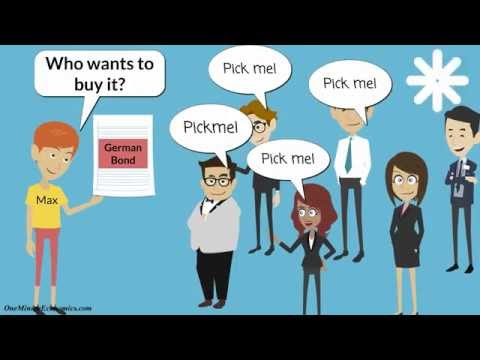
Alright, let’s rewind. A few years ago my friend Jess asked me, “So bonds are basically just IOUs, right?” She nailed it. When you buy a bond, you’re lending money to a government or a company. In return, they promise to pay you interest on a regular schedule and give back your original sum on a set date. That’s bonds explained for beginners in one breath: you become the bank, they pay you rent on your cash.
Now, how do bonds work day to day? Imagine you grab a $1,000 bond with a 5% coupon, maturing in ten years. You’ll get $50 each year—usually split into two cozy $25 payments—and at the end, you get your $1,000 back. As long as the borrower doesn’t default, that’s a lock. The price of a bond can bounce around if you sell it early, but if you just hold on, those cash flows are beautifully boring.
The real magic of fixed income investing isn’t just that predictability, though. It’s how bonds behave differently from stocks. When markets get twitchy, high-quality bonds often hold steady or even rise as people seek safety. This balance is why even aggressive investors keep a slice of their portfolio in bonds. It’s like shock absorbers on a bumpy road.
Diving into the types of bonds out there, you’ve basically got three main characters. First up, government bonds—issued by Uncle Sam (Treasuries), the UK (gilts), or Germany (bunds). These are considered super safe because, well, governments can tax and print money to pay you back. Then there are corporate bonds, where you lend to companies like Apple or a local utility. They pay higher interest because, you know, even great companies can hit rough patches. There are also municipal bonds from states and cities, often tax-free, which are worth a peek if you’re in a high tax bracket.
Here’s the thing about government bonds vs corporate bonds: it’s all about trust and yield. A 10-year U.S. Treasury might pay you around 4% lately, while a solid company’s 10-year bond might offer 5.5%. That extra 1.5% is the “spread”—your reward for taking on slightly more risk. Neither is inherently better; it’s about your sleep-well-at-night factor. If the idea of a furniture chain going bankrupt keeps you awake, stick to Treasuries. If you’re cool with a little more zip for extra income, high-grade corporates can be your friend.
But wait—what’s bond yield explained simply? Let’s clear that up because it trips up so many people. The yield isn’t the same as that coupon rate I mentioned. If you buy a bond for exactly its face value ($1,000), the yield equals the coupon. But bond prices move around with interest rates. Say you snag a bond on the secondary market for $900 that pays $50 a year. Your current yield is $50 / $900 = 5.56%. And if you hold to maturity, there’s also the yield to maturity, which bakes in that $100 price gain you’ll get at the end. Brokers will show you yield to maturity, so you can compare apples to apples.
So you’re sold on the idea but wondering how to invest in bonds without a finance degree. The easiest path is through a bond ETF or mutual fund. These let you buy a basket of bonds in one click, with professional management and instant diversification. iShares Core U.S. Aggregate Bond ETF (AGG) or Vanguard Total Bond Market (BND) are popular go-tos that own thousands of bonds across government, corporate, and mortgage-backed securities. If you’d rather own individual bonds directly, you can buy Treasuries through TreasuryDirect.gov with no fees, or use a brokerage account to pick corporate or municipal bonds. Just know that individual bonds can be less liquid, so for most beginners, a low-cost fund is the smoother runway.
Now, what are the best bonds to buy? I wish I could hand you a ticker symbol and a wink, but it really depends on your goals. In a taxable account, municipal bonds might be sweet because the interest is federal-tax-free (and sometimes state-tax-free). For an IRA, you can’t go wrong with a broad bond index fund that captures the whole market. If you’re worried about inflation eating your lunch, Treasury Inflation-Protected Securities (TIPS) adjust their principal with the Consumer Price Index. And if you’re seeking a little more oomph, an investment-grade corporate fund like Vanguard Intermediate-Term Corporate Bond ETF (VCIT) might fit. The “best” is the one that matches your timeline and stress levels.
One of my favorite old-school tricks is the bond ladder strategy. Picture this: you buy a handful of bonds that mature in consecutive years—say, one maturing in 2025, one in 2026, one in 2027, and so on. When the 2025 bond matures, you get your cash and then you roll it into a new 2030 bond at the long end of the ladder. This way, you’re always getting a mix of current interest rates, a steady flow of maturing cash, and you never have to worry about timing the market. It’s like harvesting a row of tomatoes that ripen every few months—regular, reliable, and you don’t have to be a genius farmer.
Let’s ground this with a real talk example. My cousin Marco just turned 40 and was all in on stocks. After a few nerve-wracking dips, he put 20% of his retirement money into a total bond market fund. Suddenly he stopped checking his balance every day. That’s fixed income investing doing its quiet job: reducing the portfolio’s overall swings while still adding a few percentage points each year in dividends. Marco didn’t miss the drama one bit.
Bottom line? Bonds aren’t the rock stars of the financial world, but they’re the reliable bass player keeping the whole band in rhythm. Whether you’re saving for a house in five years or just want to sleep through earnings season, understanding what are bonds and how they can serve you is a huge step. Start small, maybe with a fund that matches your time horizon, and see how it feels to watch your money grow—without the motion sickness.