










Why Your Gadgets Are Begging for a Little DIY Love (And When to Wave the White Flag)
You know that sinking feeling when you press the power button and absolutely nothing happens? Or when your internet drops for the fifth time during a video call and you’re staring at a row of blinking lights that make zero sense? We’ve all been there. The good news is, a lot of common hardware hiccups are totally fixable at home with a calm approach and a few basic tools. I’m not saying you need to become a full-time repair wizard—though if you search for “computer repair near me” and wince at the prices, a little knowledge goes a long way.
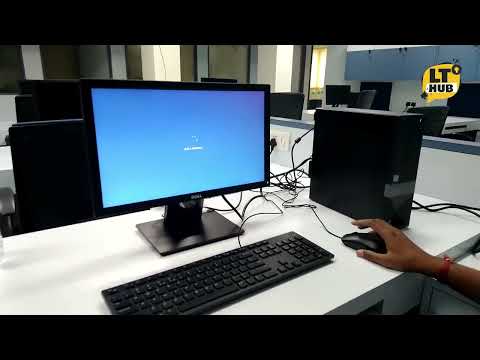
Let’s start with the one that sparks the most panic: the computer that refuses to wake up. If you’re scratching your head over how to fix computer not turning on, don’t immediately assume the motherboard is toast. First, check the obvious things. Is the power cable plugged in snugly at both ends? I once spent an embarrassingly long time troubleshooting only to discover my cat had nudged the cord loose. If the outlet is fine, try a different power cable. Now, if the machine is completely dead—no lights, no fans—you might need to learn how to test power supply unit. A cheap power supply tester (or a multimeter if you’re comfortable) can tell you if the PSU is delivering the right voltages. Jumper the green wire to any black wire on the 24-pin connector; if the fan doesn’t spin, you’ve found your culprit. But if you get a brief flicker of life before it dies again, you could be dealing with a short circuit somewhere. Unplug all peripherals and internal drives, then try again with just the essentials. That’s basic hardware diagnostic tools in action—sometimes the problem isn’t the component you think it is.
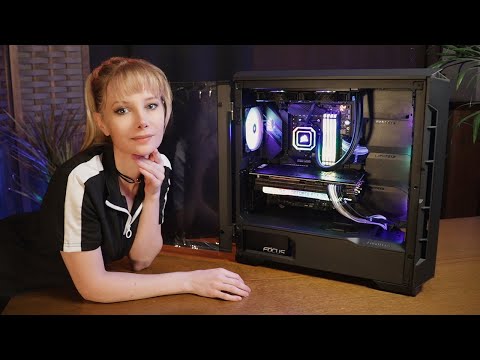
While we’re inside the case, let’s talk about that computer fan making noise like a jet engine. A noisy fan can be a dirty fan. Dust buildup throws blades off balance, and suddenly your quiet office sounds like a wind tunnel. Turn off the PC, unplug it, and carefully clean the fans with compressed air (holding the blades still so you don’t over-spin them). If the whirring or grinding persists, the bearing might be on its last legs. Replacement case fans are dirt cheap and swapping them takes five minutes. For graphics card or CPU cooler fans, you can often replace just the fan unit without ditching the whole heatsink. A fan making noise is your computer’s polite way of asking for a spa day, don’t ignore it until it overheats and shuts down.
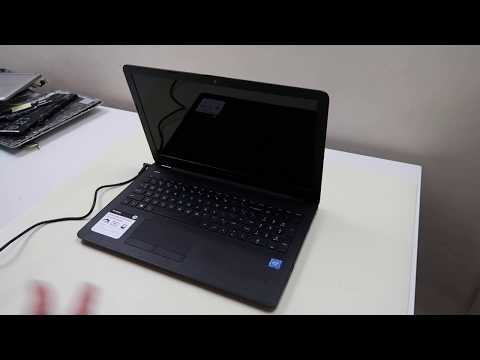
Now, what about when your screen betrays you? If a laptop display is cracked, flickering, or showing psychedelic vertical lines, you might be tempted to just buy a new machine. But a display swap is often simpler than you think. When I needed to replace laptop screen on my old ThinkPad, I watched a single YouTube video, ordered the exact panel (check the model number on the back of the old one), and had it done in under an hour with a screwdriver set and an old credit card to separate the bezel. The key is to remove the battery first and work slowly with the delicate ribbon cable. Suddenly that “computer repair near me” quote feels a lot higher than the cost of the part and a little patience. Of course, if you’re dealing with a modern ultrabook where everything is glued together, you might value your sanity more and hand it off to a pro—no shame in that.
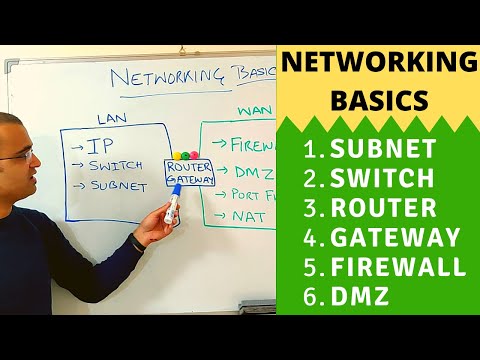
Shifting to the network closet: network hardware troubleshooting can feel like dark magic, but it’s just methodical. Got a network switch not working? Don’t immediately assume it’s fried. Check the LEDs. If no lights come on at all, try a different power adapter. Many switches have external power bricks that fail silently. If it’s receiving power but a specific port won’t connect, try a different cable and a different device on that port. Sometimes a single misbehaving device can cause a switch to lock up—I once had an old IP camera that took down half the office network until I unplugged it. Give the switch a reboot (yes, even enterprise gear appreciates a power cycle). If it’s a managed switch, log into the interface during a moment of peace and check for error counters or spanning-tree loops. For simpler unmanaged switches, swapping it out is the fastest way to see if the problem follows the hardware.
And then there’s the ever-obnoxious fixing wifi router issues. Wi-Fi that drops randomly, buffering when nobody else is home, or speeds that crawl to 2005 levels. Start with the classic: power cycle the modem and router. Unplug from the wall for 30 seconds, not just a quick restart. Then, check placement. Is your router buried behind a fish tank or a microwave? Those are signal killers. If you’re getting intermittent disconnects, log into the router’s admin page and look at the channel selection. Neighbors’ overlapping channels can cause chaos; switch to a less crowded one (1, 6, or 11 for 2.4GHz, or use the auto features on 5GHz). I’ve seen cases where a firmware update fixed persistent dropouts, so don’t neglect that. Still having issues? A failing power adapter can cause erratic router behavior—cheap to test with a multimeter.
Now, maybe you’ve caught the upgrade bug. A pc hardware upgrade guide doesn’t need to be a dry manual. The best upgrades are the ones that make you feel like you’ve got a brand-new machine for a fraction of the cost. An SSD is still the reigning champion: cloning your OS from an old mechanical hard drive to even a budget SATA SSD transforms boot times and application launches. RAM is a close second—if you’re constantly maxing out your memory, swapping to disk, another 8GB or 16GB can breathe new life. Before you order, run a quick scan with built-in hardware diagnostic tools (Windows Memory Diagnostic or MemTest86) to make sure your current RAM is healthy, and check if you have free slots. For gaming or video editing, a new graphics card requires a peek inside to see if your power supply can handle it—which loops back nicely to knowing how to test power supply wattage capacity. And don’t forget the small things: a can of compressed air and some thermal paste for a CPU cooler reseat can drop temps by 10 degrees, which might be all you need to fix that fan making noise problem we talked about.
Finally, know when to step back. If you’ve gone through basic network hardware troubleshooting, swapped cables, tested the power supply, and you’re still getting a network switch not working or a PC that doesn’t post, there’s no shame in searching “computer repair near me” for a trustworthy shop. They have spare parts to swap test and expensive hardware diagnostic tools like PCIe analyzers or thermal cameras that most of us won’t own. The goal is to be informed enough that you don’t get upsold on things you don’t need, and capable enough to handle the little victories yourself. So next time your Wi-Fi router starts acting up or your computer fan starts making noise, you’ll have a plan of attack—and maybe a fun weekend project instead of a panic attack.