






The Real Talk on Treadmills vs. Exercise Bikes – Which One Actually Fits Your Life?
Look, I’ve spent way too many hours testing, fixing, and sweating on these machines, and I’ll level with you: the best cardio equipment isn’t the one with the most bells and whistles, it’s the one you’ll actually use. So if you’re stuck between a treadmill and an exercise bike, let’s skip the marketing fluff and talk like friends who just want to get a good workout without losing their minds.
I remember the first time I hopped on a treadmill thinking, “How hard could this be?” Ten minutes later I was gripping the handrails, my shins were screaming, and I seriously questioned my life choices. Then I tried a recumbent exercise bike the next day, leaned back with a book, and pedaled for 45 minutes without even noticing. Point is, both machines have their magic, but they fit different bodies, different goals, and frankly different moods. So let’s break it down in a way that actually helps.
You know what almost nobody tells you? A treadmill is fundamentally a high-impact tool. That’s not a bad thing – impact loads your bones, which is brilliant for maintaining bone density, especially as we age. But if your knees, hips, or lower back are already giving you grief, that same impact can turn a 20-minute walk into a regret-fest. I’ve had friends who ignored this and ended up with shin splints that sidelined them for weeks. On the flip side, an exercise bike is the king of low-impact cardio. Your joints just glide, and you can genuinely crush a hard session without feeling like a bag of hammers the next morning. If you’re recovering from an injury or just want to be kinder to your body, the bike is an absolute gem.
But here’s the thing about calorie burn that gets twisted all the time. Yes, running on a treadmill typically torches more calories per minute than cycling at a moderate pace. That’s just physics – you’re moving your whole body mass against gravity. So if sheer efficiency per sweat droplet is your priority, a treadmill might feel like the winner. However, I’ve seen countless people hop off a treadmill after 15 minutes because they’re bored or uncomfortable, while the same person will happily pedal an exercise bike through an entire Netflix episode. Guess which workout actually burned more calories that day? Exactly. The best machine is the one that doesn’t collect dust.
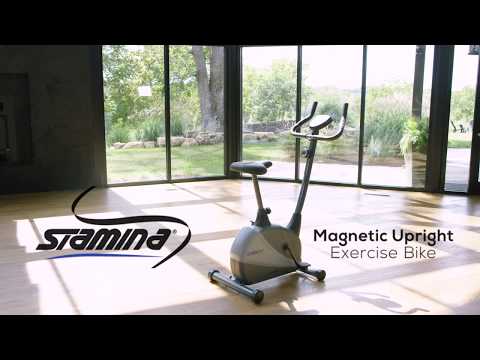
Space is another conversation I have with friends all the time. I live in a modest apartment, and a full-size treadmill would basically be a very expensive coat rack. They’re heavy, they need a dedicated spot, and you can’t easily slide them under a bed. An upright exercise bike has a smaller footprint, and a folding model or a compact recumbent bike can tuck away in a corner nicely. If you’re in a downstairs unit, also think about noise. Treadmills transmit thudding footsteps through floors like you wouldn’t believe – I’ve had a neighbor text me asking if I was building furniture at 6am. Exercise bikes, especially magnetic resistance ones, are whisper-quiet. You can pedal while someone sleeps in the same room. That’s a real sanity-saver.
Now, let’s talk about something most reviews gloss over: boredom and entertainment. This is where the bike has a sneaky advantage. Because you’re sitting and your upper body is free, you can genuinely read, scroll your phone, or even answer emails (I don’t recommend the latter, but we’ve all done it). On a treadmill, you’re constantly balancing, so multitasking is less safe and just less comfortable. If you’re the type who needs a distraction to log 30 minutes, an exercise bike might become your new best friend. That said, if you love the feeling of walking outside but want privacy or weather control, a treadmill gives you that natural gait. Some high-end ones now have interactive coaching screens that mimic trails, which can make you forget you’re indoors.
I should mention a middle-ground option that’s gained a quiet following: the air bike. It’s not your standard exercise bike; it has moving arms and a fan for resistance. The harder you push, the more it fights back. It’s brutally efficient for HIIT, but it’s also loud and not something you chill on while watching TV. We’re focusing on traditional treadmills and stationary exercise bikes here, but I’d be remiss not to nod to its existence.
Something else I’ve learned from seeing many home gyms gather dust: test the machine like you actually use it. If you’re a walker, don’t just jog for 30 seconds at the store. Walk for five full minutes on that treadmill and notice the belt jerk, the motor whine, the console layout. For an exercise bike, sit for ten minutes and see if the seat makes you want to cry. Seat discomfort is the number one reason people abandon their bikes, and a gel cover can fix it, but you need to know upfront. The same goes for handlebar reach and pedal strap placement. Little annoyances become huge barriers over time.
I’ve had both machines in my life at different points. When I was training for a 10k and loved the rhythm of foot strikes, a treadmill was my sanctuary. But when a weird hip thing flared up and I still needed cardio to manage stress, my exercise bike saved me. There’s no moral superiority; it’s about what your body needs this season.
If you’re still torn, here’s my friend-to-friend advice: think about the most common reason you skip a workout. Is it joint pain? Go bike. Is it that you feel cooped up and miss moving through space? Treadmill. Is it that you can’t find a full half-hour without feeling fidgety? The bike lets you split focus. And if you have the budget and space, having both is a beautiful thing – but start with the one that removes your biggest barrier to showing up.
You’ll find your groove. Just don’t let perfect be the enemy of “this is pretty good and I’m sweating.” A beaten-up secondhand treadmill or a basic magnetic exercise bike that hums along quietly can change your energy levels, sleep, and mood more than any fancy specs ever will.