





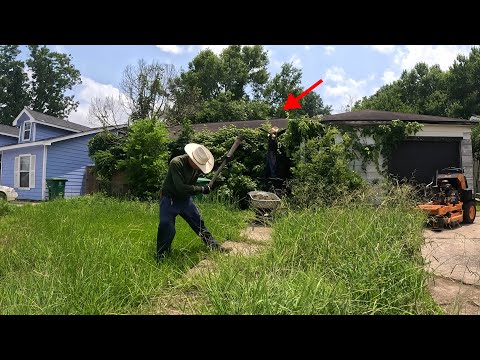


The Lazy Gardener’s Guide to Weeding and Leaf Cleanup (That Actually Works)
Look, I get it. You glance out the window and the garden beds are staging a mutiny—weeds have set up a tiny empire, and the lawn is buried under a crunchy leaf blanket that’s more “haunted forest” than backyard oasis. You want to fix it fast without spending your entire Saturday sweating, swearing, or accidentally murdering the peonies. I’ve been there more times than I’d like to admit. Over the years, I’ve picked up some garden weeding tips that changed the game, and I’ve argued with myself enough about leaf cleanup rake or blower to know what’s actually worth your time. Let’s hash this out like two neighbors leaning on a fence.
First, let’s talk timing because showing up at the wrong moment makes everything twice as hard. The ideal moment for a leaf session is when the ground is slightly damp but not sopping—think morning dew or a day after light rain. Dry leaves skate away on the slightest breeze, and wet leaves turn into a heavy, slimy sludge that clogs rakes and kills motivation. As for weeding, you’ll discover that the best easy weed removal methods rely on moisture too. Weeds pull out with their roots intact when the soil is soft; in bone-dry clay, you’ll just snap the tops off, and those pesky dandelions will laugh and regrow in three days.
So, when to clean up garden leaves? If you wait until every last oak leaf has fallen, you might be staring down a soggy mat that smothers your grass and invites fungus. I like to do a light pass once a week during peak leaf drop, then a final big cleanup when the trees are mostly bare. It keeps the chore manageable and prevents that leaf sludge from compacting. Now, for weeding, the golden rule is: never let them go to seed. A quick 10-minute once-over every few days in spring and early summer saves you hours later. You’ll be amazed how fast you can learn how to weed garden fast when you’re not facing a jungly battlefield.
Alright, tools. The age-old debate: leaf cleanup rake or blower? I’ve gone back and forth. A quality rake – preferably one with a wide, fan-shaped head and springy tines – is your quiet, meditative best friend. It’s a fantastic manual leaf removal technique that gives you a little workout and doesn’t scare the birds. Plus, raking doesn’t require gas, oil, or charging, and you’ll never blast a dried-up flower border into next week by accident. That said, for large lawns or thick, intricate shrub beds, a blower can be a godsend. The best way to clean leaves efficiently often marries both: use the blower to gather leaves from around delicate plants and corners into a giant pile in the open, then rake that pile onto a tarp and drag it to your compost or curb. You’ll feel like a garden ninja.
But what about those leaves that stubbornly tuck themselves between perennials? That’s where manual leaf removal techniques shine. I keep a pair of extended-reach grabbers or simply wear flexible gardening gloves and gently pluck them out by hand. It’s surprising how satisfying it is, and you won’t damage emerging bulbs. For beds with fine-textured groundcovers, a gentle leaf rake with plastic tines does the trick without ripping plants apart.
Now let’s shift to the weedy villains. When you’ve got a solid infestation, you might wonder if there’s a weed killer safe for plants mingling in there. The short answer: it’s tricky. Most sprays that kill weeds can harm your beloved flowers or veggies if they drift. If you absolutely must use chemical help, look for a selective herbicide labeled as safe for your specific plant types (like a lawn weed killer that targets broadleaf weeds but spares grass). Spot-treat with a shield—I cut a plastic bottle in half and put it over the weed to spray inside, reducing drift. Honestly, though, I lean toward the physical route for garden weeding tips that don’t require a hazmat suit.
My go-to for easy weed removal methods starts with a good old-fashioned hula hoe or a stirrup hoe. On a sunny morning, slice it back and forth just under the soil surface. The weeds dry up and die in the afternoon heat—it’s almost magical. For deeper-rooted offenders like docks or thistles, invest in a dandelion weeder or a hori-hori knife. Slide it straight down next to the root, wiggle, and pop the whole thing out. That’s how to weed garden fast without breaking your back: stand up whenever you can, use long-handled tools, and work in sections, not in a chaotic all-over scramble.
Mulch is your silent partner in crime. Once a bed is weed-free, two to three inches of organic mulch (shredded bark, straw, leaf mold) will smother new weed seeds and make any future interlopers incredibly easy to pluck because the soil stays loose. It’s like giving yourself a gift for next month. And here’s a little-known trick: after you do a thorough weeding, give the area a quick once-over with a flame weeder if you have a gravel path or driveway. The intense heat bursts the cells of tiny weed seedlings without chemicals. Just keep water nearby and stay miles away from anything flammable. Not exactly a weed killer safe for plants in a flower bed, but brilliant for hardscapes.
Sometimes the simplest manual leaf removal technique is just mowing over thin layers of leaves on the lawn. Mulching mower blades chop them into tiny bits that decompose and feed your soil. That’s the best way to clean leaves when they haven’t piled up too thick, and it skips the whole raking ordeal. If the layer is too deep, rake or blow first, then mow the remaining confetti.
You know what’s sneaky? The mental shift. When you see a huge weedy patch, your brain wants to tackle it all at once, which leads to burnout. I pick a single manageable area—say, the tomato bed—and tell myself I’ll spend just 20 minutes on it. More often than not, I end up finishing the whole thing because I got in the groove, and that’s the real secret of easy weed removal methods: momentum. Pair that with a podcast or some upbeat music, and you’re cruising.
Fall and spring are the prime times for these tasks, but I also sneak in a little summer tidy because weeds love the heat. For leaf cleanup, the perennial question “when to clean up garden leaves” is best answered by your garden’s personality. If fallen leaves are suffocating your creeping thyme or hosting slugs, go ahead and clean them gently even before full autumn. And leaving some leaves in a wild corner or under shrubs is actually beneficial for insects and soil, so you can be a little “lazy” there without guilt.
One more hard-won garden weeding tip: identify the weeds. Some, like purslane, are edible and you can just toss them in a salad. Knowing the enemy makes pulling them feel less annoying. And if you’re facing a patch of bindweed or horsetail, don’t despair—consistent, light-blocking techniques (like damp newspaper and mulch) weaken them over time without resorting to anything that might harm your plants. It’s slow but steady.
So, next time the garden looks like a crime scene, you’ve got a plan. Damp morning, trusty rake and maybe a blower for the big leaf assault, a stirrup hoe for the weeding blitz, and the sweet relief of mulch at the end. You’ll be done in half the time you thought, with energy left to actually enjoy that outdoor space. Go grab a cool drink, you’ve earned it.